

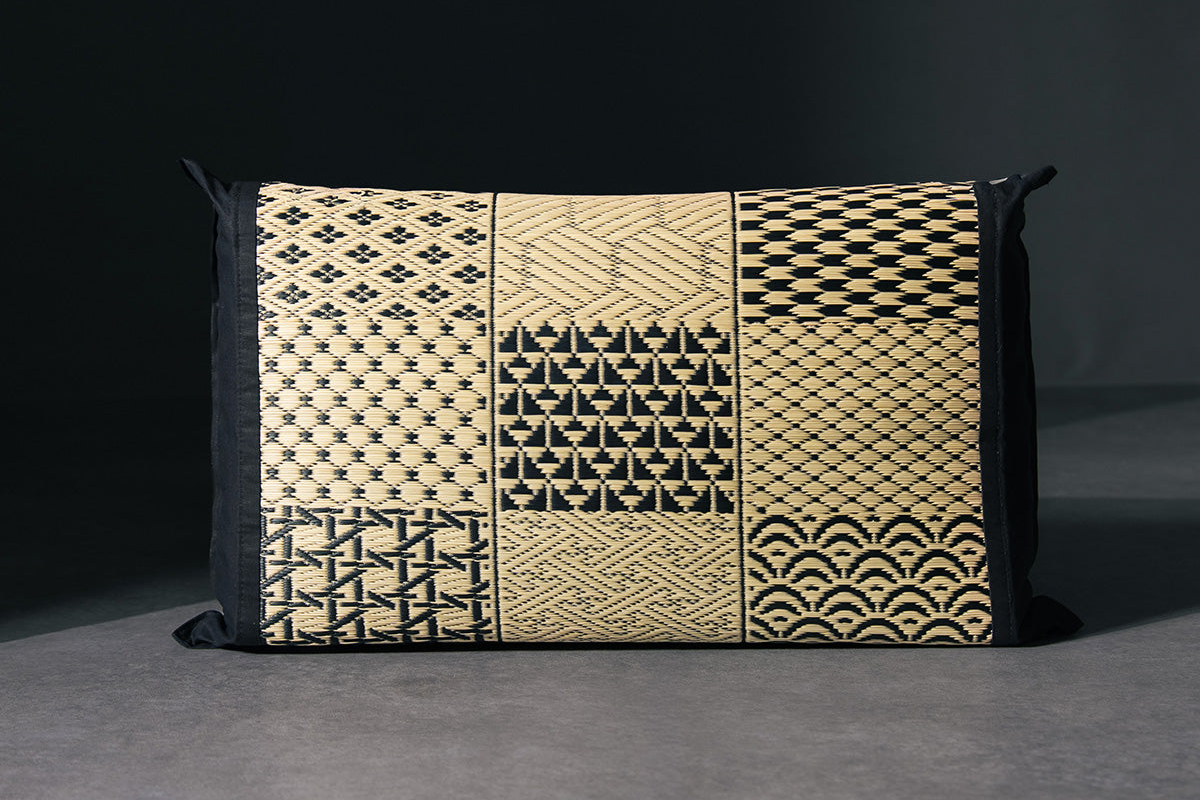
traditional
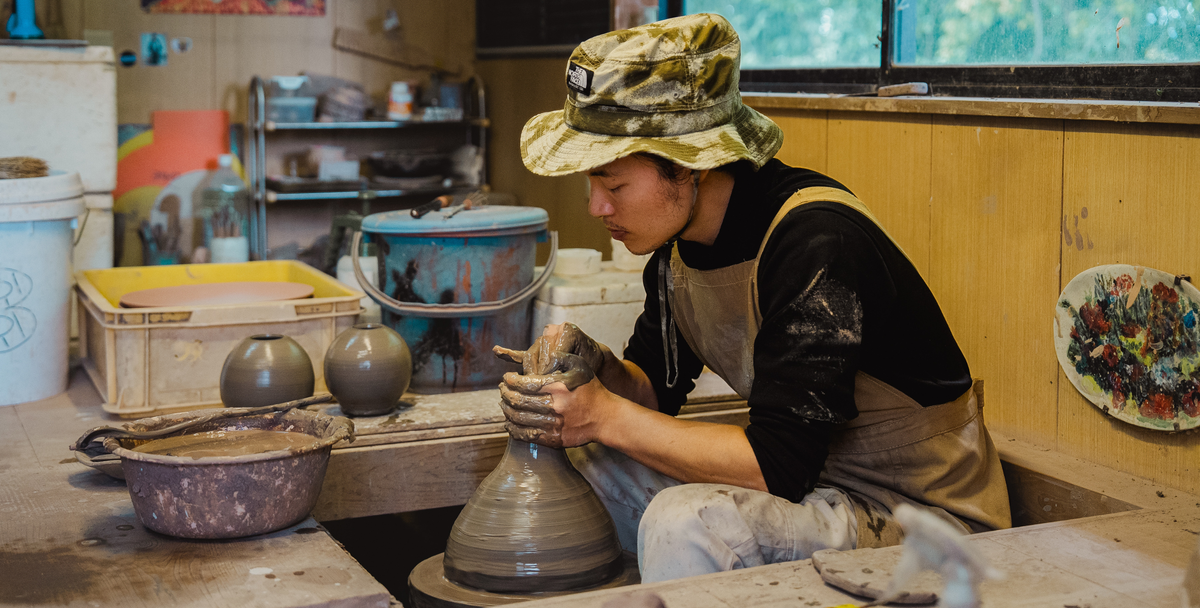
Sumi to Yuki: Handmade Japanese Pottery from the Clay Behind Koushin Kiln
Deep in Fukuchi, Fukuoka, Koushin Kiln has made Agano-yaki pottery for generations using clay dug from the hill behind the workshop itself. Their Sumi to Yuki line - named for ink and snow features...
Read more
Japanese Cedar Incense Made Without Electricity: Inside the Baba Water Mill
Deep in the mountains of Yame, Fukuoka, a century-old watermill still grinds cedar leaves into incense without electricity, no chemicals, just water and time. Meet the family behind Baba Water Mill...
Read more![[ Sado, a Traditional Art ] Is there a qualification for Sado? What do you mean by licensed? Traditional Culture, Sado](http://www.ikehikojapan.com/cdn/shop/articles/romeo-a-lscGvpiDBLA-unsplash.jpg?v=1667461466&width=1920)
Originally, there is no general concept of "qualifications" in the world of Sado. Until now, there has only been a "license," which indicates what may be learned according to the skills and abil...
Read more![[Traditional Arts, Sado] Names of Tea Utensils and How to Use Them](http://www.ikehikojapan.com/cdn/shop/articles/Introducing-the-names-and-usage-of-tea-utensils.jpg?v=1660623396&width=1500)
[Traditional Arts, Sado] Names of Tea Utensils and How to Use Them
There are many different types of tea utensils, and some people may find it difficult to prepare a complete set. It is important to choose tea utensils that are easy to handle and suitable for the...
Read more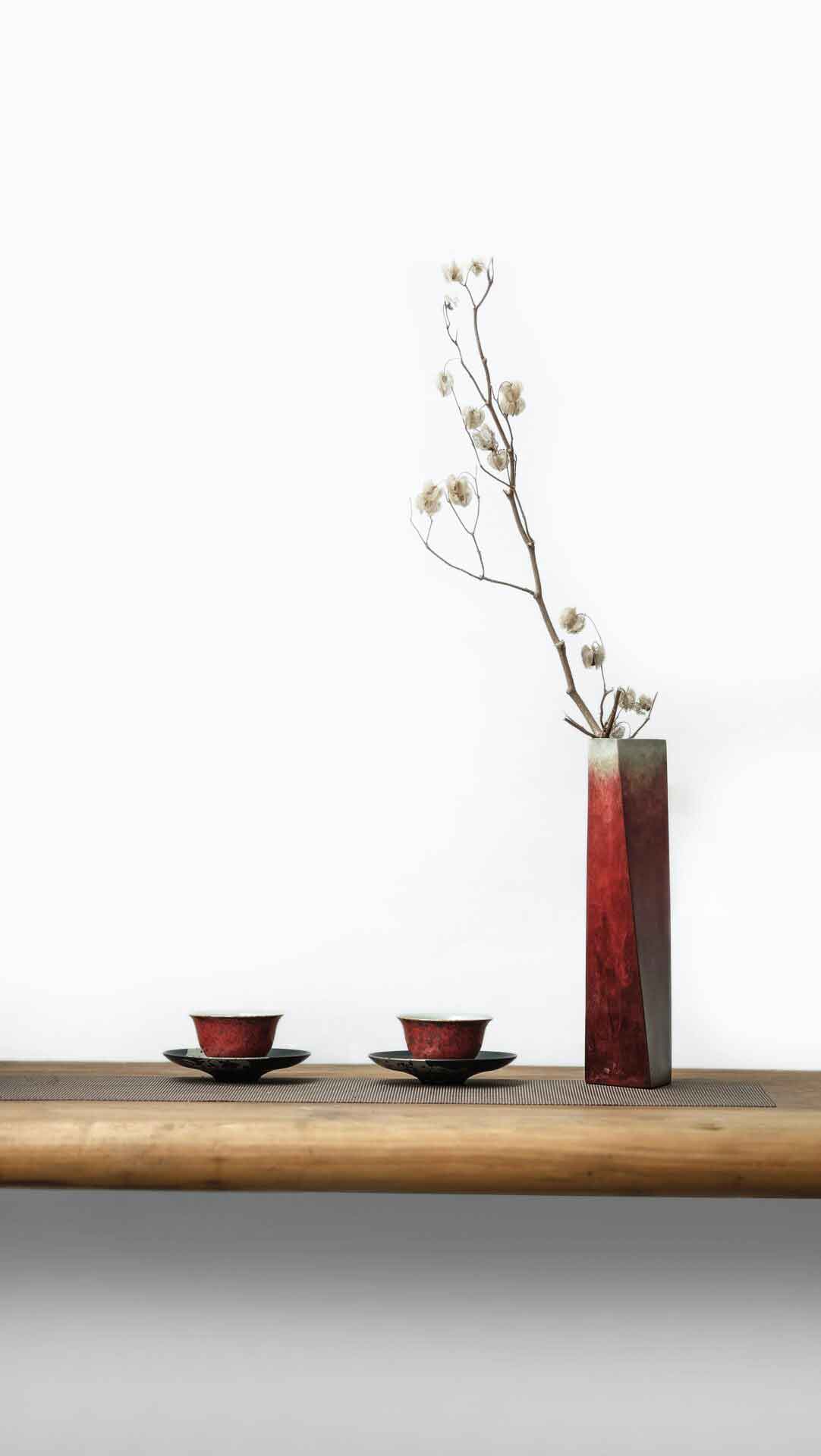
What is the difference between flower arrangement and ikebana?
Kado is one of the traditional cultures of Japan. Many people may think that Kado = ikebana , but in fact, Kado and ikebana are very similar and different. In this article, we will explain the di...
Read more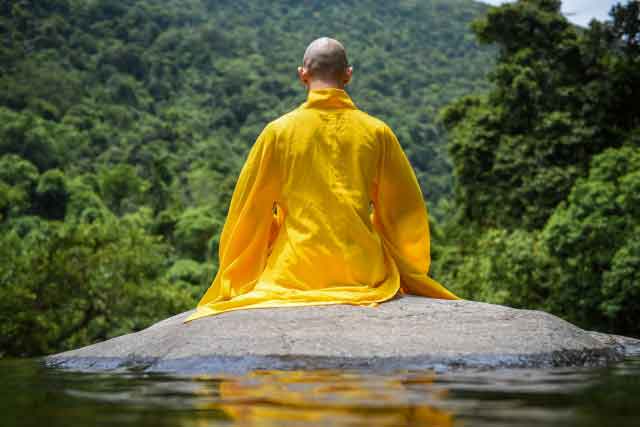
What is Zenjyou and its relationship to wisdom
What zenjyo Zenjyo ( Zen meditation ) refers to meditation in which the mind is quieted and focused on a single object. It is a term used in the Buddhist w...
Read more
How to Do Meditation, the Basics of Deeper Meditation and the Three Benefits of Meditation.
What is meditation? Generally speaking, meditation is about relaxing the body and mind by calming the mind and becoming detached. Historically, meditation has been understood as...
Read more
14 Foundations and Basics of the Analects and Quotations from the Analects
What is the Analects? The Analects is a book containing sayings and deeds by Confucius, a thinker of the Chinese Spring and Autumn period, and his disciples, and is considered the scripture of ...
Read more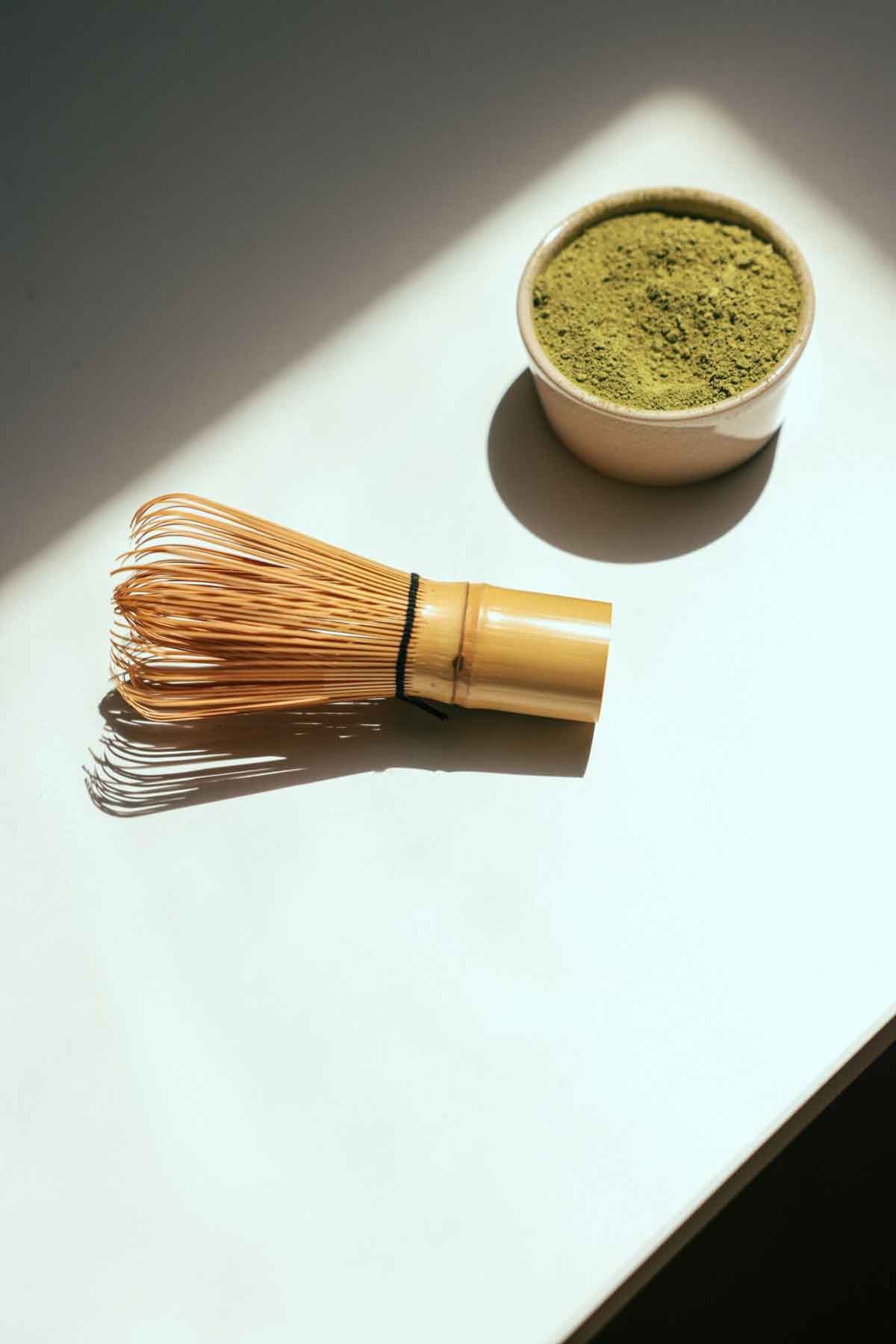
What is the difference between Omotesenya, Urasenya and Mushanokoji styles?
Sado is a traditional Japanese culture. It is not simply about making tea, but also has "wabi-sabi" in its depth, and you can learn about the aesthetic sense and customs unique to Ja...
Read more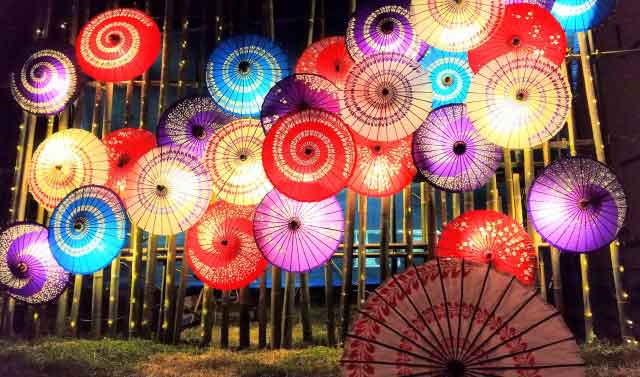
Thorough explanation of Wagasa's history, types, and production process
What is Wagasa? It is not clear when it was introduced to Japan, but it began to be seen in the Heian period (794-1185), when paper manufacturing technology was improved and bam...
Read more